nasveti
Type 2 diabetes: what changes in the first year
In most people, type 2 diabetes is discovered by chance, during lab tests done for something else. Fasting blood sugar and HbA1c are the tests that confirm it. HbA1c shows the average blood sugar level over the last two to three months, which is exactly why it is a check measured a few times a year and not something you would measure at home.
The first thing that changes is not treatment but everyday life. For most people, cutting out sugary drinks makes the biggest difference, as the sugar from them is absorbed fastest and in the largest amounts. Next comes spreading carbohydrates across the day instead of one large meal, and regular physical activity, roughly one hundred and fifty minutes of moderate activity a week. Even a short walk after a meal lowers the value after eating. Losing a few per cent of body weight shows up in the results faster than many people expect.
Medicines are not a sign of failure. Many people start with metformin, and doses are adjusted in the first months according to results and tolerance. If you are given a medicine that can cause low blood sugar, talk to your doctor about how to recognise it: trembling, sweating, hunger, irritability and confusion. Do not stop medicines or change doses on your own, even when your values improve.
Measuring at home is not compulsory for everyone and is not a competition. When it makes sense, the most informative approach is measuring in pairs, before a meal and two hours after it, because this teaches you what your body does with your food. Bring your measurement records or sensor data to your appointment. The pattern of values across the day says more than a single number.
In the first year, regular check-ups are also agreed, which people often underestimate because they feel well. An examination of the back of the eye, a foot examination, an assessment of kidney function with urine and creatinine tests, blood pressure and blood fats. Complications of diabetes develop quietly and over years, so the point of these check-ups is to catch them before they show.
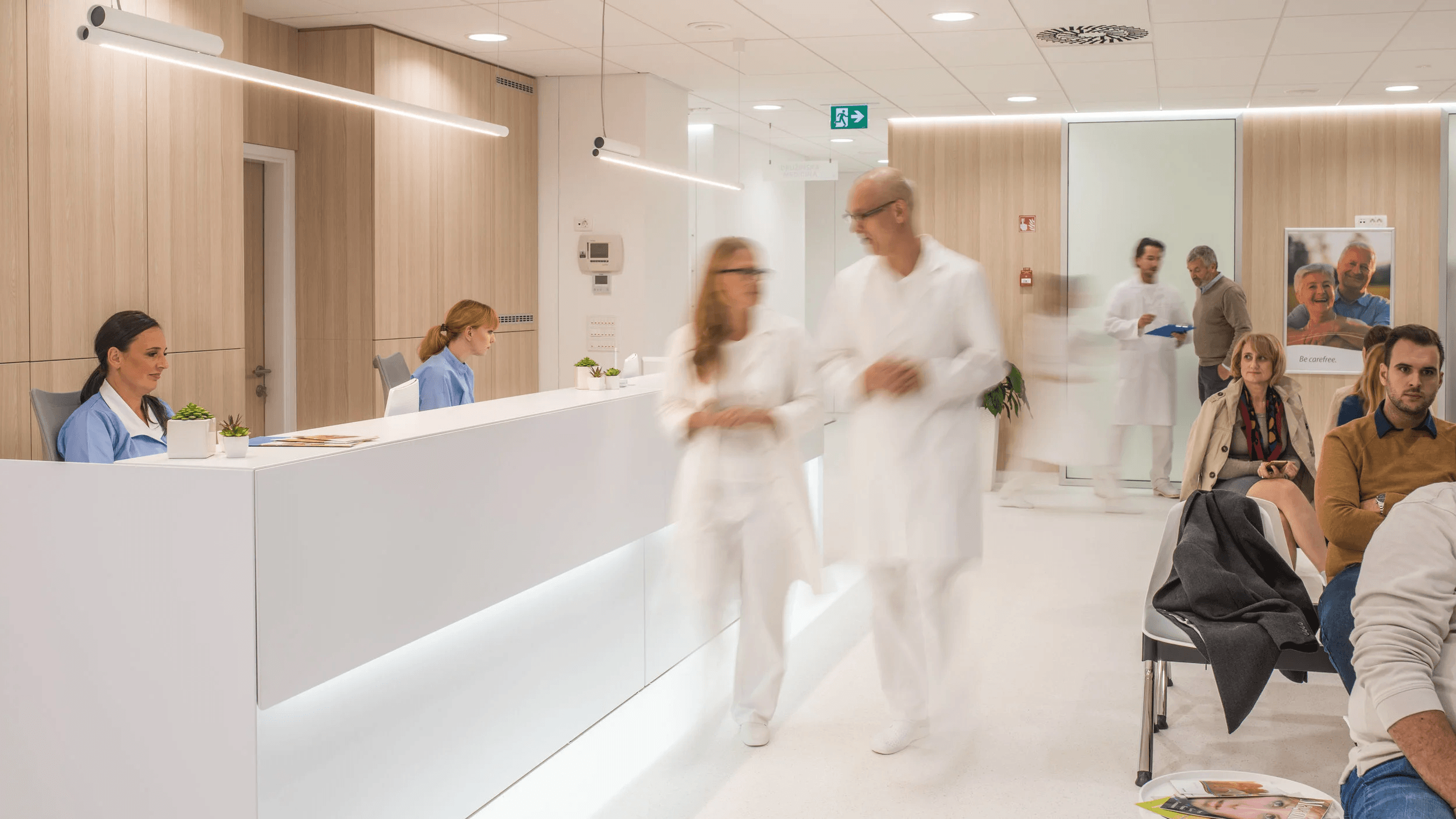
Management of type 2 diabetes most often starts with your personal doctor. The endocrinology clinic at Medicinski center Ljubljana is for assessing how well the condition is controlled, reviewing your treatment so far, judging the risk of complications and agreeing on further monitoring. The same applies to prediabetes and insulin resistance, where diet and physical activity are usually the first step. Treatment is self-pay, you do not need a referral, and booking is managed by the provider that runs the clinic.
Bring the lab results from the past year, a list of medicines with doses, dietary supplements and records of home measurements. If the dietary side is what troubles you most, there is also a clinic for nutrition and lifestyle, which is also self-pay.
If you have sudden confusion, severe drowsiness, vomiting, dehydration or difficulty breathing with high blood sugar values, do not wait for a booked appointment – call 112.