

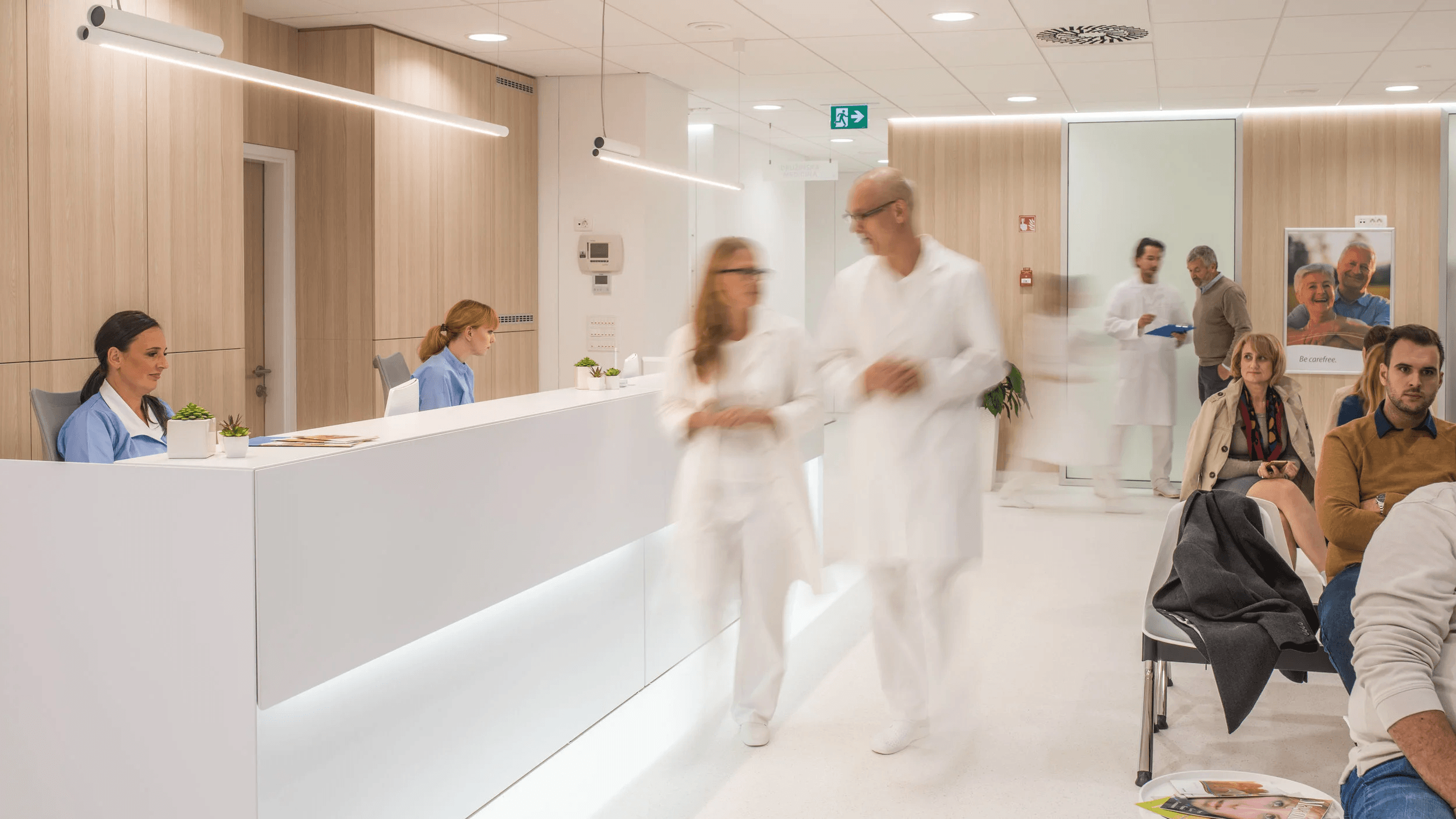
Urology clinic
Diagnosis and treatment of urological conditions; prostate examinations.
Scope of services
Self-payProblems to see a urologist about
The urology clinic treats diseases of the urinary tract in men and women and diseases of the male genitals. Common problems are a burning sensation when passing urine, frequent and urgent need to pass urine, getting up at night, a weak stream, leaking urine and the presence of blood in the urine.
The problems also include kidney stones and renal colic, recurrent urinary tract infections, urethral stricture, kidney cysts, varicocele, phimosis, and questions about erectile dysfunction and fertility. Part of the care involves procedures such as vasectomy and circumcision, which begin with a consultation.
Blood in the urine, even once and without pain, is always a reason for an examination. The same applies to unexplained pain in the lower back that builds up in waves. Neither is a condition worth watching for months.
Inflammation, stones and tumours of the urinary tract
The most common urological problems involve the lower urinary tract. They include bladder infections, bladder stones, urinary tract tumours and erectile dysfunction. In men, lower urinary tract problems are often linked to the prostate, either to non-cancerous enlargement of the prostate, called benign prostatic hyperplasia, or to prostate cancer.
A bladder infection shows itself as burning and frequent urination. It is common in women because of their shorter urethra, while in men it is a reason for a more thorough assessment. A kidney stone often only shows itself with sudden, cramping pain in the lower back, which may spread towards the groin.
Urinary tract tumours, for example in the bladder or kidney, do not cause pain for a long time. Often the first sign is blood in the urine, so an examination makes sense even if it has appeared only once.
Prostate examination and PSA levels
With age the prostate often enlarges in men, which can make passing urine harder. The signs develop slowly. A weaker stream, a feeling that the bladder has not fully emptied, getting up more often at night. That is exactly why many people put them down to age and delay an examination.
A prostate examination includes a conversation about your symptoms, a clinical examination with a digital rectal examination of the prostate and a laboratory PSA test, and if needed an ultrasound and a measurement of the urine left in the bladder after passing urine.
A raised PSA level does not in itself mean cancer, and a normal level does not rule out all prostate diseases. The result is always read together with the clinical examination and the course of your symptoms. If the results raise suspicion, the urologist explains the next steps, which may include imaging or a biopsy. You decide on further care together with the doctor.
What happens during a urology examination
The examination begins with a conversation about your symptoms, previous illnesses, operations and medicines. Details that patients often skip matter to the urologist: how much fluid you drink during the day, how many times you get up at night, at what time of day the symptoms are worst.
A clinical examination follows, focused on your symptoms. Often a urine test, an ultrasound of the urinary tract or a urine flow measurement is also done. If tests are not available on the same day, the doctor orders them and invites you to a follow-up appointment with the results.
Many people delay a visit out of embarrassment. Urological problems are an everyday part of clinic work and talking about them is routine for the doctor. The details you find most unpleasant are often exactly the ones that guide the diagnosis.
Booking and self-pay care
Urology care with us is self-pay and you do not need a referral. You can book yourself, through the booking system of the provider that runs the clinic.
Bring results of previous tests to the examination, especially past laboratory results and PSA results, as well as a list of your medicines. If you have had kidney stones before, information about their composition is also useful, if it was determined.
With sudden severe pain in the lower back with fever and chills, if you are unable to pass urine, or with heavy bleeding from the urinary tract, do not wait for an appointment; seek emergency medical help.